Understanding the Latest Trends in Electronics Repair


The Rise of DIY Repair Culture
In recent years, the DIY repair culture has gained significant momentum, empowering individuals to take charge of fixing their own electronics. This movement is fueled by the availability of online tutorials, repair kits, and community forums. Enthusiasts can now access step-by-step guides and videos that make even complex repairs more approachable.
With platforms like YouTube and dedicated websites offering a plethora of resources, more people are attempting to repair their gadgets at home. This trend not only saves money but also promotes sustainability by reducing electronic waste.
Right to Repair Legislation
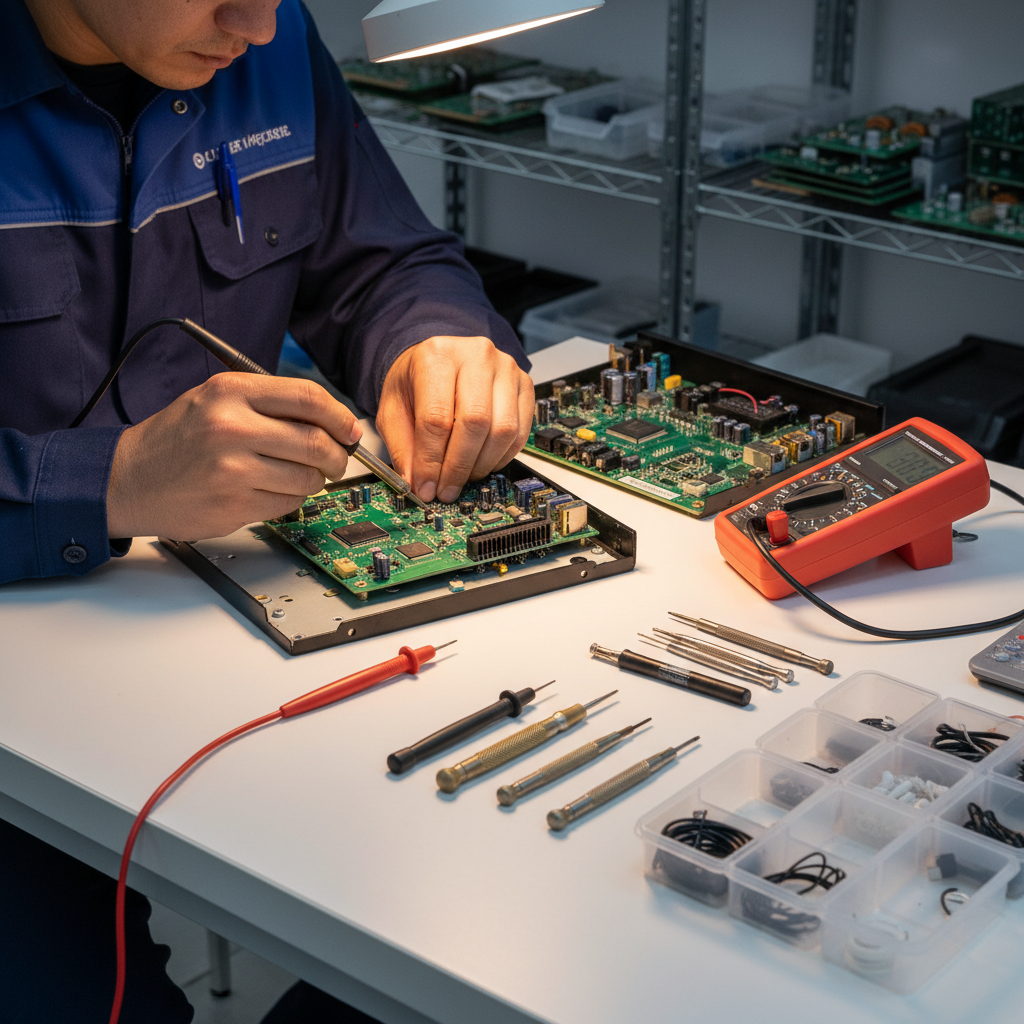
The right to repair movement has gained traction globally, advocating for consumers' ability to fix their devices without voiding warranties. This legislation pushes manufacturers to provide access to necessary tools, parts, and documentation.
Countries like the United States and members of the European Union have started implementing policies that support this cause. The impact is significant, as it encourages manufacturers to design products that are easier to repair, ultimately leading to longer product lifespans.
Advanced Diagnostic Tools
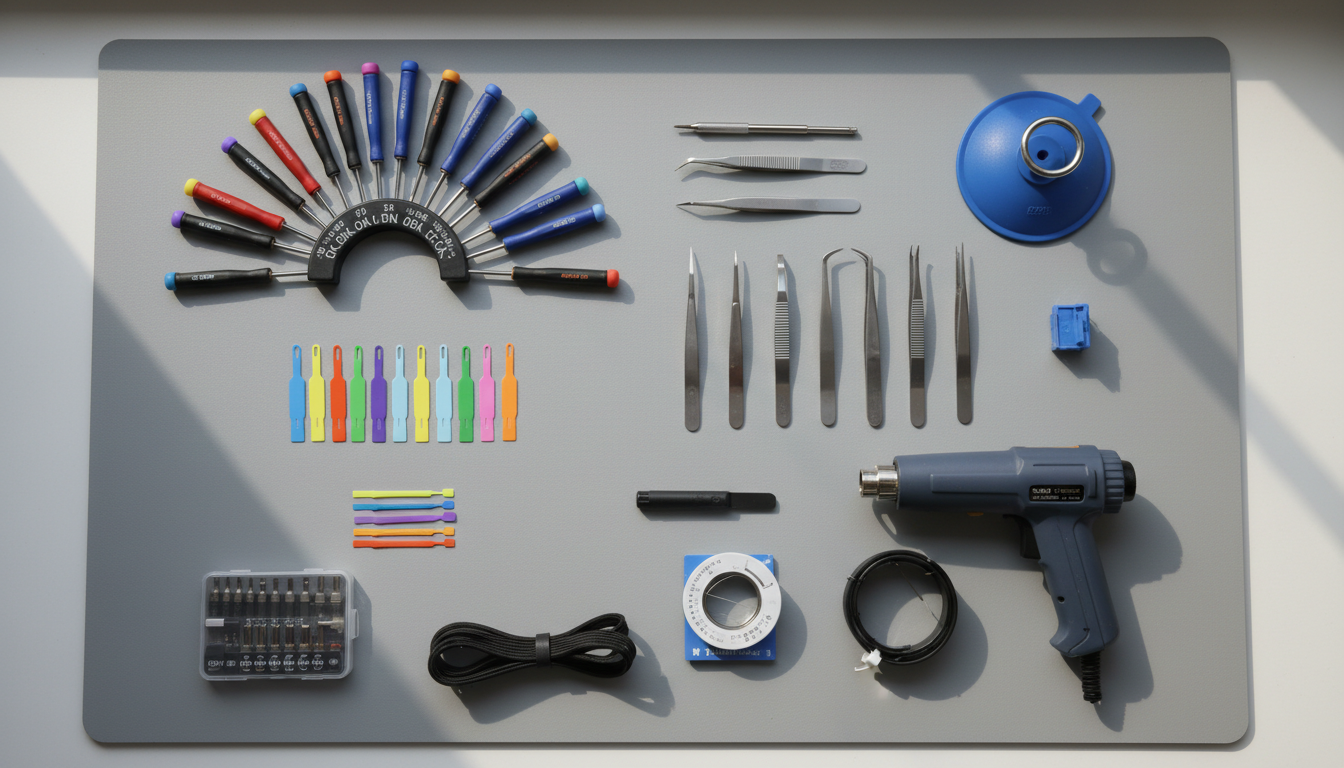
Technological advancements have led to the development of sophisticated diagnostic tools that make repairs more efficient. These tools can quickly identify issues, allowing technicians to address problems with precision.
For professional repair shops, these tools are invaluable. They reduce the time spent on troubleshooting and ensure that repairs are conducted accurately. As a result, customers benefit from faster service and more reliable repairs.

3D Printing and Spare Parts
3D printing technology is revolutionizing the way spare parts are produced. With the ability to print custom parts on demand, repair shops are no longer limited by supply chain constraints.
This capability is particularly beneficial for older devices, where parts may be obsolete or difficult to find. By printing parts, repair technicians can extend the life of electronics, providing a cost-effective solution for consumers.

Environmental Impact and Sustainability
As awareness of environmental issues grows, consumers are becoming more conscious of the impact of electronic waste. Repairing devices rather than discarding them contributes to a more sustainable future.
Many repair businesses are now promoting eco-friendly practices, such as recycling old components and using sustainable packaging. This shift not only benefits the environment but also attracts environmentally conscious customers.

Conclusion
The electronics repair industry is evolving rapidly, with trends like DIY culture, right to repair legislation, and technological advancements leading the way. These developments not only empower consumers but also foster a more sustainable and efficient industry.
As we move forward, embracing these trends will be crucial for both consumers and repair professionals. Staying informed and adaptable will ensure that we can continue to enjoy our electronics for years to come.