Understanding the Latest Trends in Consumer Electronics


Rise of Smart Home Devices
The world of consumer electronics is rapidly evolving with the increasing popularity of smart home devices. These technologies are designed to make everyday tasks more convenient and efficient. From smart thermostats to voice-activated lights, consumers are embracing the ease of automation.
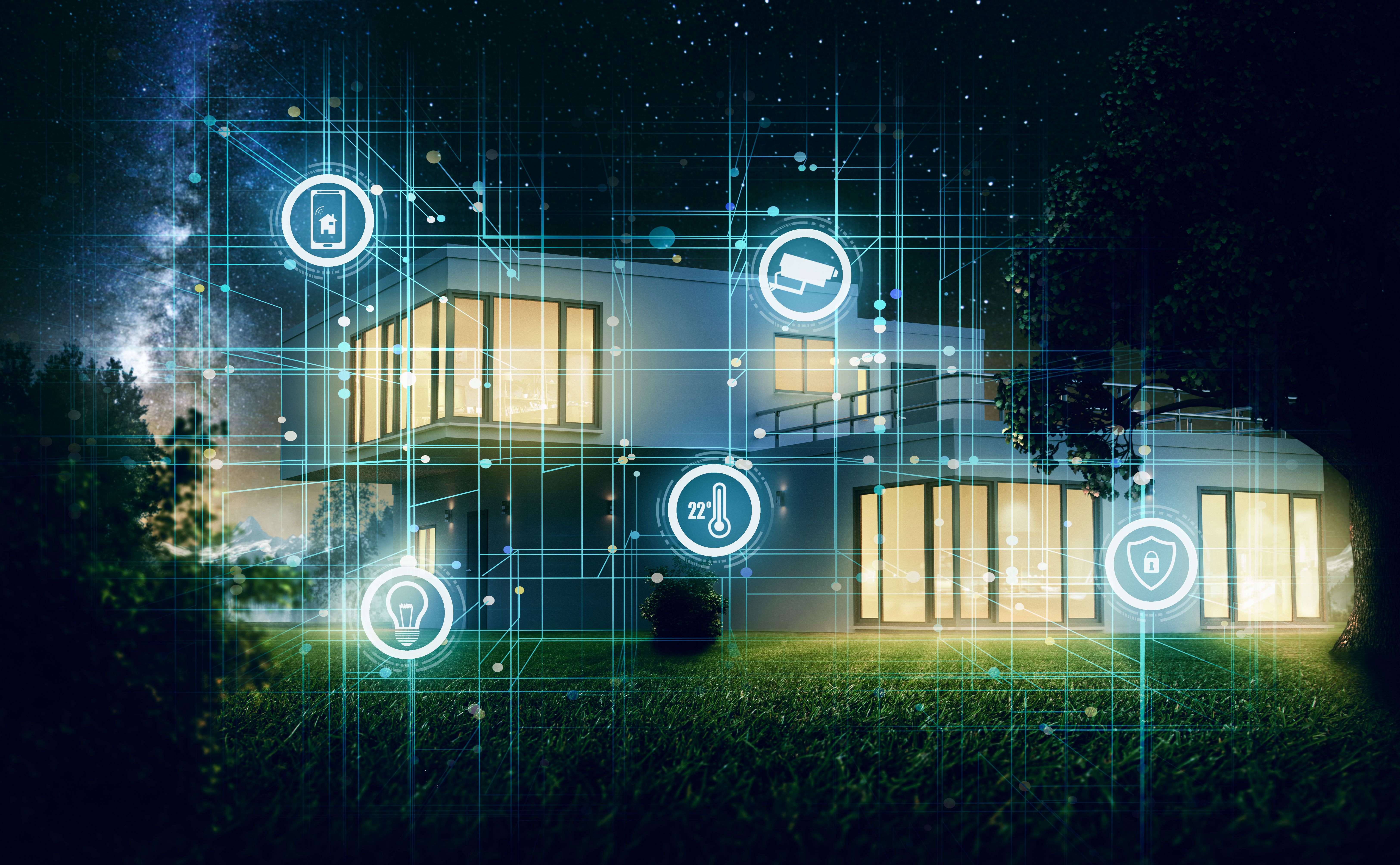
One of the major drivers of this trend is the integration of Internet of Things (IoT) technology. This allows various devices to communicate and operate in harmony, creating a seamless user experience. As more products become IoT-enabled, the smart home ecosystem continues to expand.
Advancements in Wearable Technology
Wearable technology has seen significant advancements in recent years. These devices, such as smartwatches and fitness trackers, are not only about tracking steps or monitoring heart rates anymore. They now offer features like ECG monitoring, blood oxygen levels, and even stress management tools.

Moreover, the design and aesthetics of wearables have improved, making them more appealing to a broader audience. As technology continues to advance, we can expect even more innovative features that will enhance our daily lives.
5G Connectivity
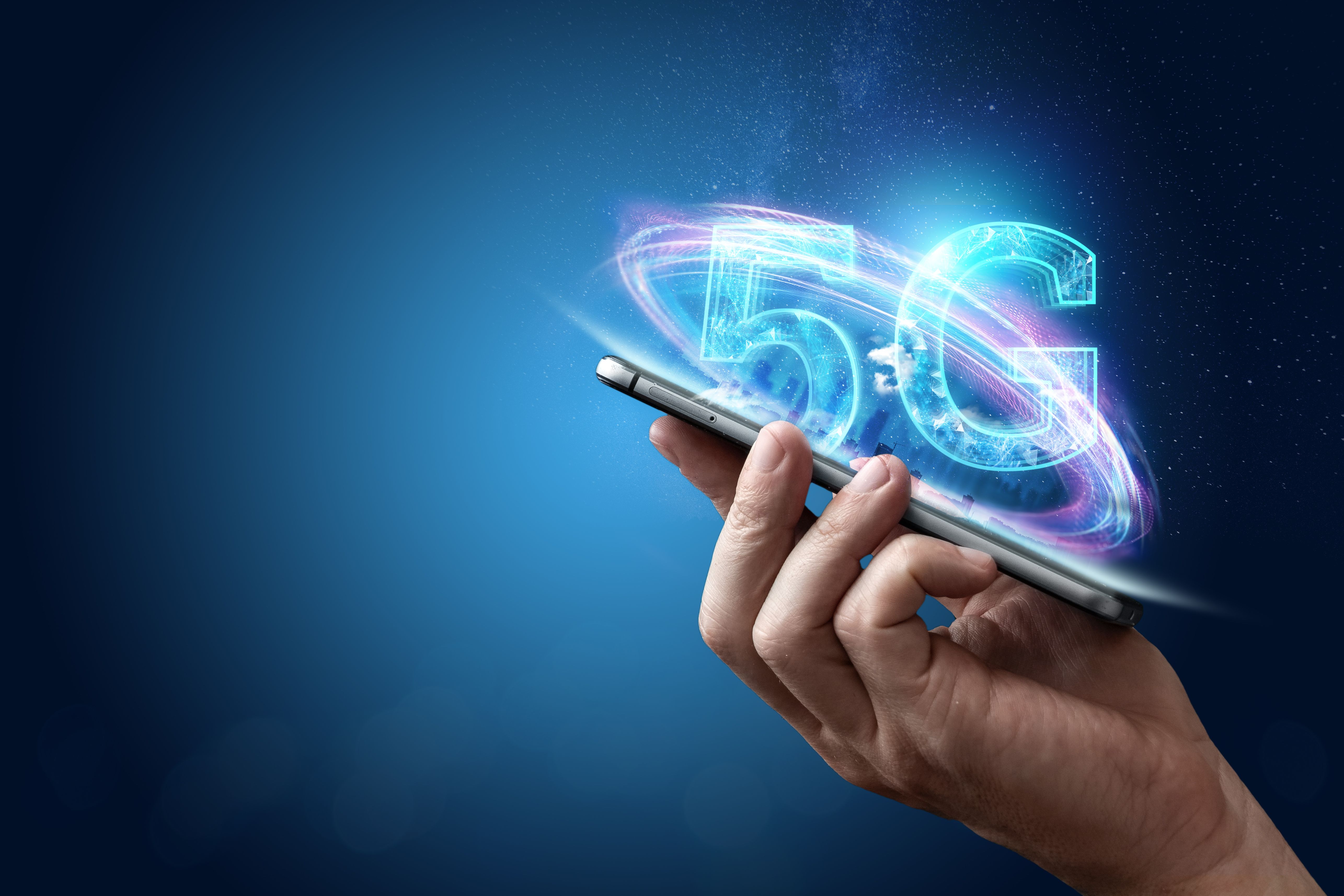
With the rollout of 5G networks, connectivity has reached new heights. 5G offers faster speeds, lower latency, and the ability to connect more devices simultaneously. This has a significant impact on the performance of consumer electronics, from smartphones to smart TVs.
The increased bandwidth and speed of 5G enable smoother streaming, quicker downloads, and more reliable connections. This is particularly beneficial for gamers and those who rely heavily on mobile data for their daily activities.
Sustainability in Electronics
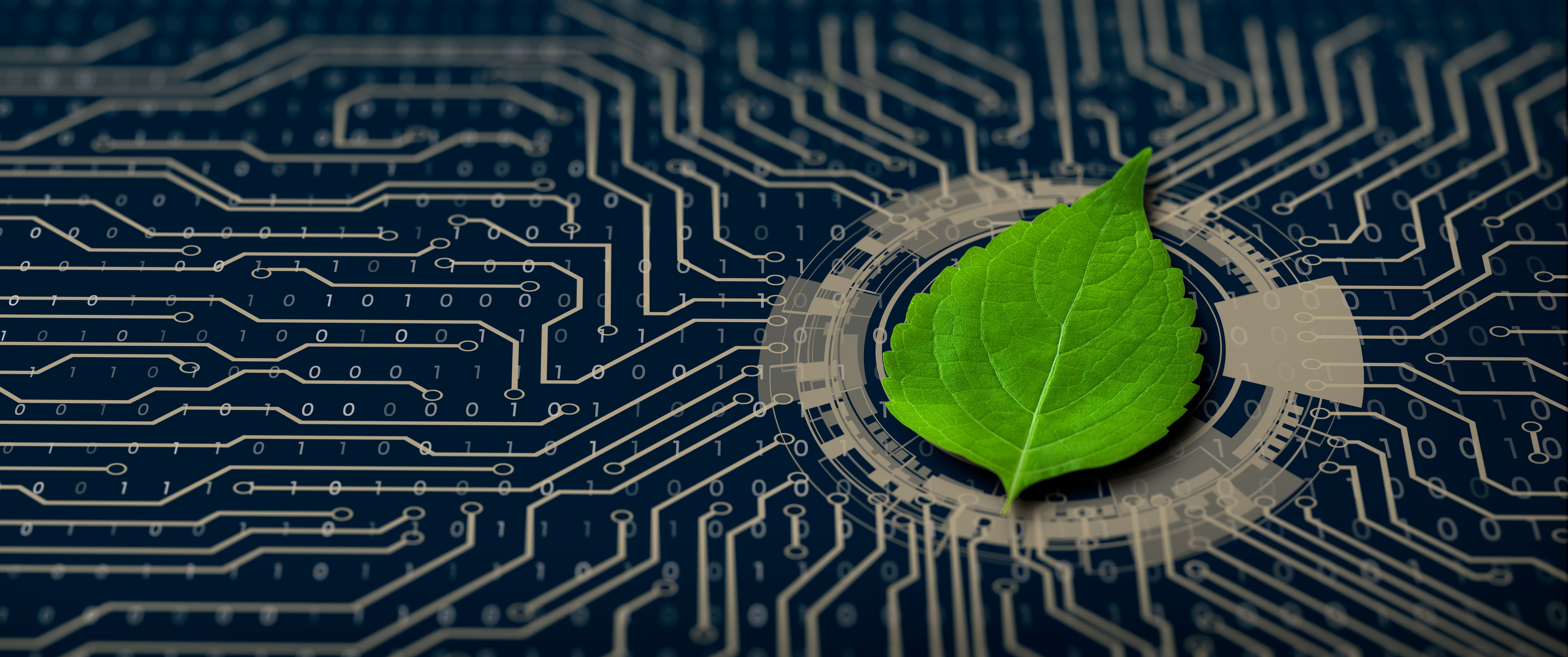
As awareness around environmental issues grows, sustainability has become a crucial trend in consumer electronics. Manufacturers are focusing on creating eco-friendly products by using recyclable materials and reducing energy consumption.
Consumers are increasingly interested in products that have a minimal environmental impact. This shift is driving companies to innovate and produce more sustainable electronics, which is a positive step towards a greener future.
AR and VR Technologies
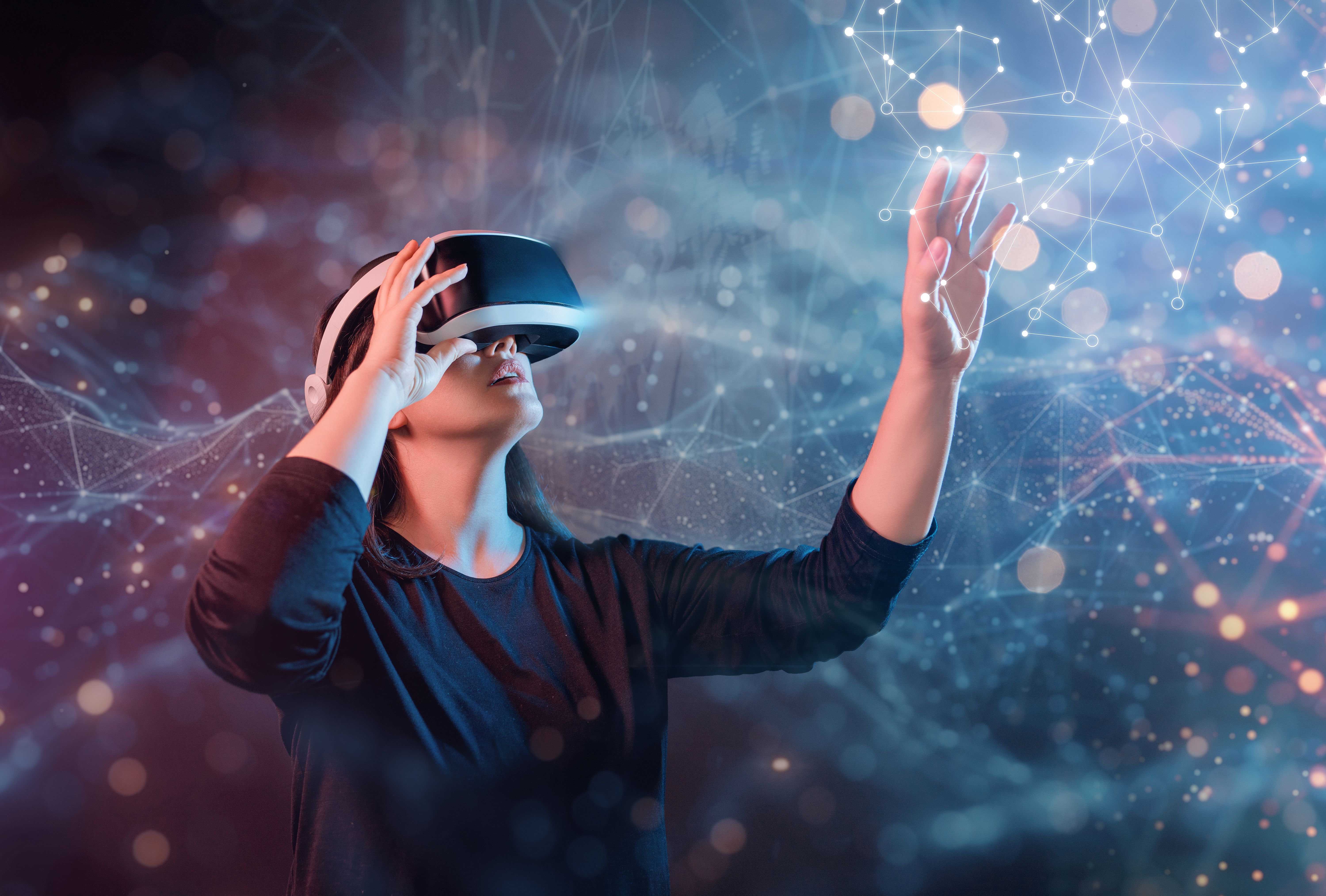
Augmented Reality (AR) and Virtual Reality (VR) are transforming the way we interact with digital content. These technologies are no longer confined to gaming but are being used in various sectors, including education, healthcare, and retail.
AR and VR offer immersive experiences that enhance learning, shopping, and even remote work. As these technologies become more affordable and accessible, their adoption across different industries is expected to grow.
AI Integration in Consumer Devices
Artificial Intelligence (AI) is becoming an integral part of consumer electronics. AI-powered devices offer personalized experiences, from smart assistants that understand natural language to cameras that recognize faces and optimize settings automatically.
This integration of AI not only improves functionality but also enhances user satisfaction by providing more intuitive and responsive interactions. As AI continues to evolve, its role in consumer electronics is set to expand even further.