Brooklyn Electronics Repair: Navigating Local Regulations


Understanding Local Regulations
Brooklyn's bustling electronics repair scene is a vital part of the community, catering to a wide array of devices from smartphones to home appliances. However, navigating local regulations is crucial for any business operating in this space. Understanding these guidelines not only ensures compliance but also builds trust with customers.

Local regulations can vary significantly depending on the type of electronics being repaired. For instance, handling devices with lithium batteries might require specific safety protocols. Additionally, proper disposal of electronic waste is both a legal obligation and an environmental responsibility.
Licensing and Permits
Before setting up shop, it’s essential to obtain the necessary licenses and permits. The process typically involves registering the business with local authorities and ensuring that technicians are certified. This certification process might include exams or proof of expertise in electronics repair.
Failure to comply with licensing requirements can lead to fines or even closure of the business. Therefore, it's advisable to consult with a local business attorney or the Brooklyn Chamber of Commerce to ensure all paperwork is in order.
Environmental Considerations
One of the most critical aspects of electronics repair is the management of e-waste. Brooklyn has specific regulations that govern the disposal of electronic components. Businesses must partner with certified e-waste recyclers to dispose of parts like circuit boards and batteries responsibly.
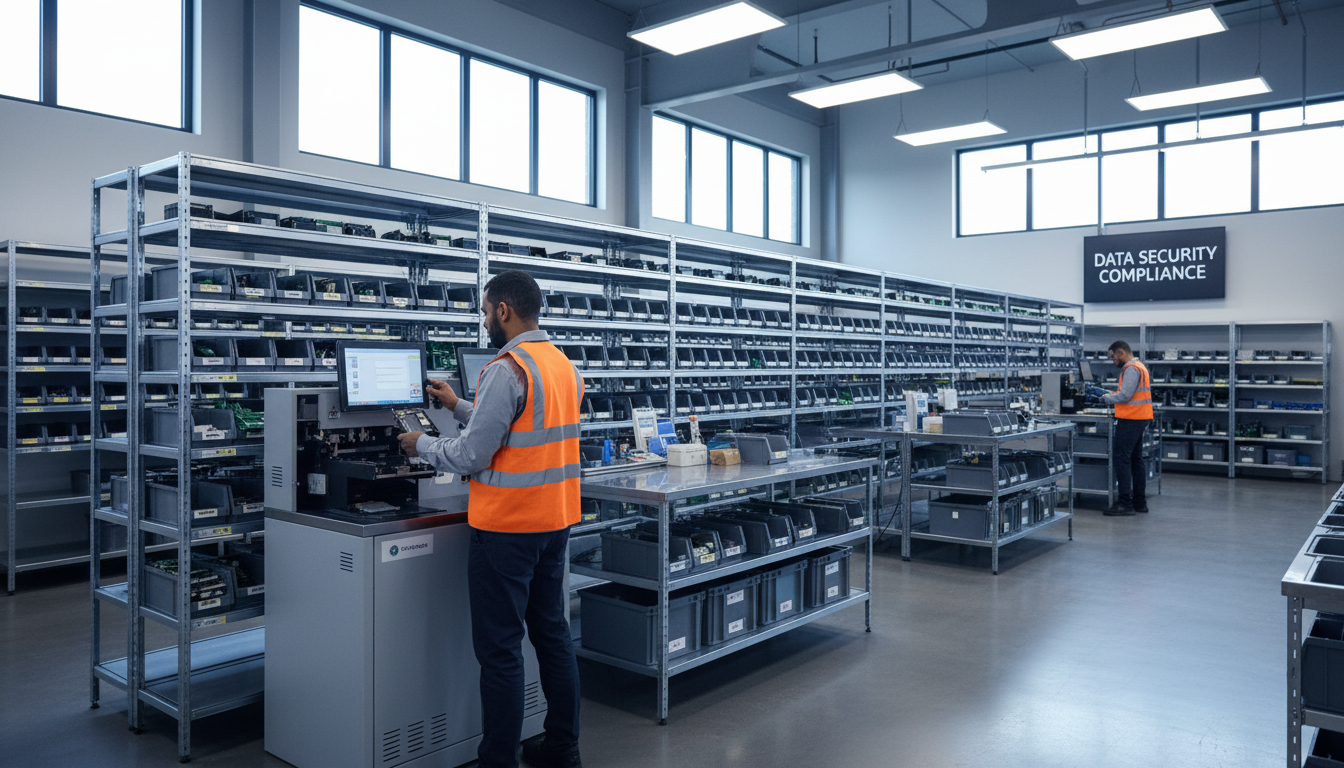
Improper disposal not only harms the environment but can also result in heavy penalties. Many repair shops are now incorporating sustainable practices into their operations, promoting recycling and the use of eco-friendly materials.
Customer Privacy and Data Protection
With the increasing complexity of electronic devices, data protection has become a significant concern. Repair businesses must implement robust data protection measures to safeguard customer information. This includes secure handling of devices and ensuring any stored data is deleted before repairs are finalized.
Brooklyn's regulations may require businesses to inform customers about their data protection policies. Transparency in this area can enhance customer trust and loyalty.
Workplace Safety Standards
Ensuring a safe working environment is another critical component of compliance. Brooklyn mandates specific safety standards that electronics repair shops must follow. This includes proper ventilation, use of protective gear, and regular safety training for employees.
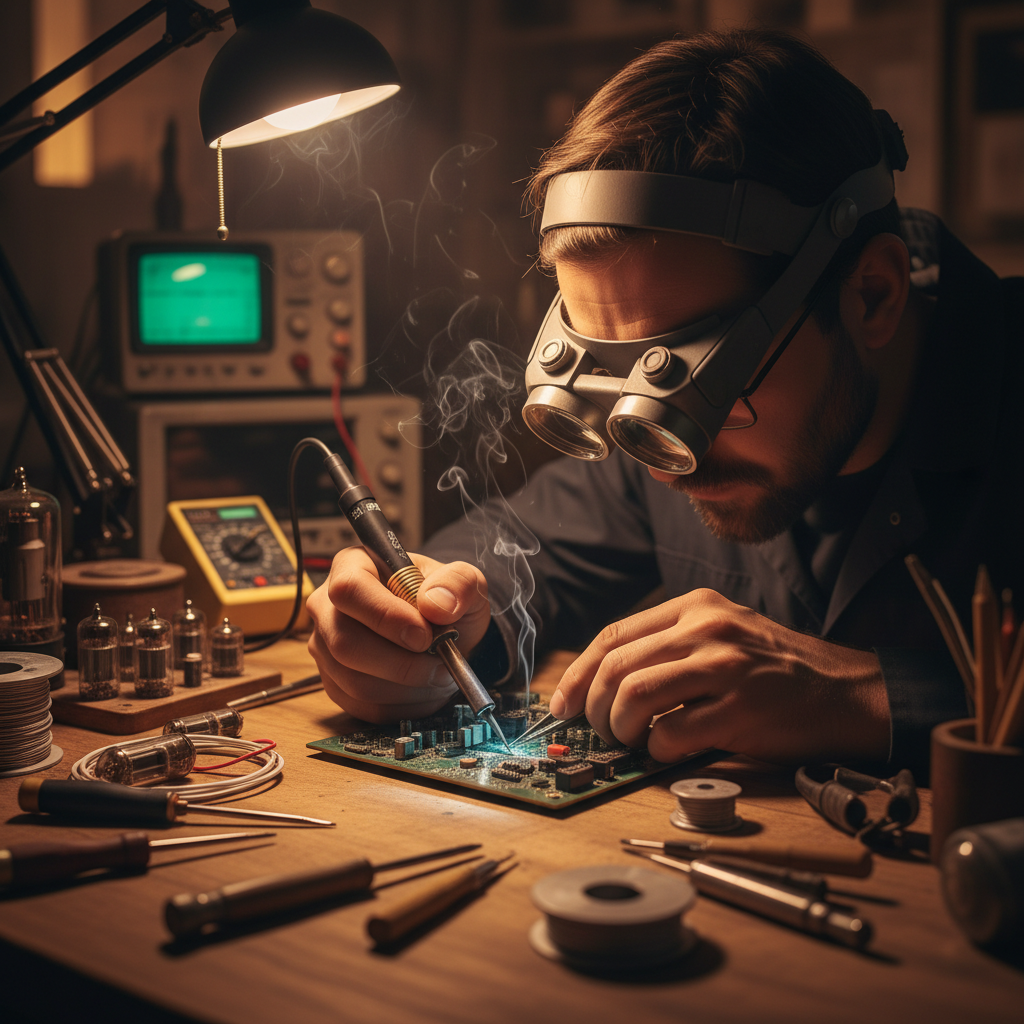
Adhering to these standards not only protects employees but also minimizes the risk of accidents that could lead to costly legal issues. Regular inspections can help maintain compliance and foster a culture of safety within the workplace.
Staying Updated with Changes
Local regulations are subject to change, and staying updated is crucial for continued compliance. Joining local business associations and subscribing to industry newsletters can provide valuable insights into any regulatory updates or changes.
Networking with other local businesses can also be beneficial. Sharing experiences and knowledge helps create a supportive community that fosters growth and compliance.
In conclusion, navigating local regulations in Brooklyn's electronics repair industry requires diligent attention to detail and a proactive approach. By understanding and adhering to these regulations, businesses can thrive while contributing positively to the community and environment.