Avoiding Common Electronics Repair Mistakes: Expert Advice


Understanding Common Repair Mistakes
When it comes to electronics repair, even seasoned DIY enthusiasts can make mistakes. These errors can lead to further damage or even render a device beyond repair. Understanding common pitfalls is the first step to avoiding them. One major mistake is not diagnosing the problem correctly. Without a proper diagnosis, any repair attempts are likely to fail.
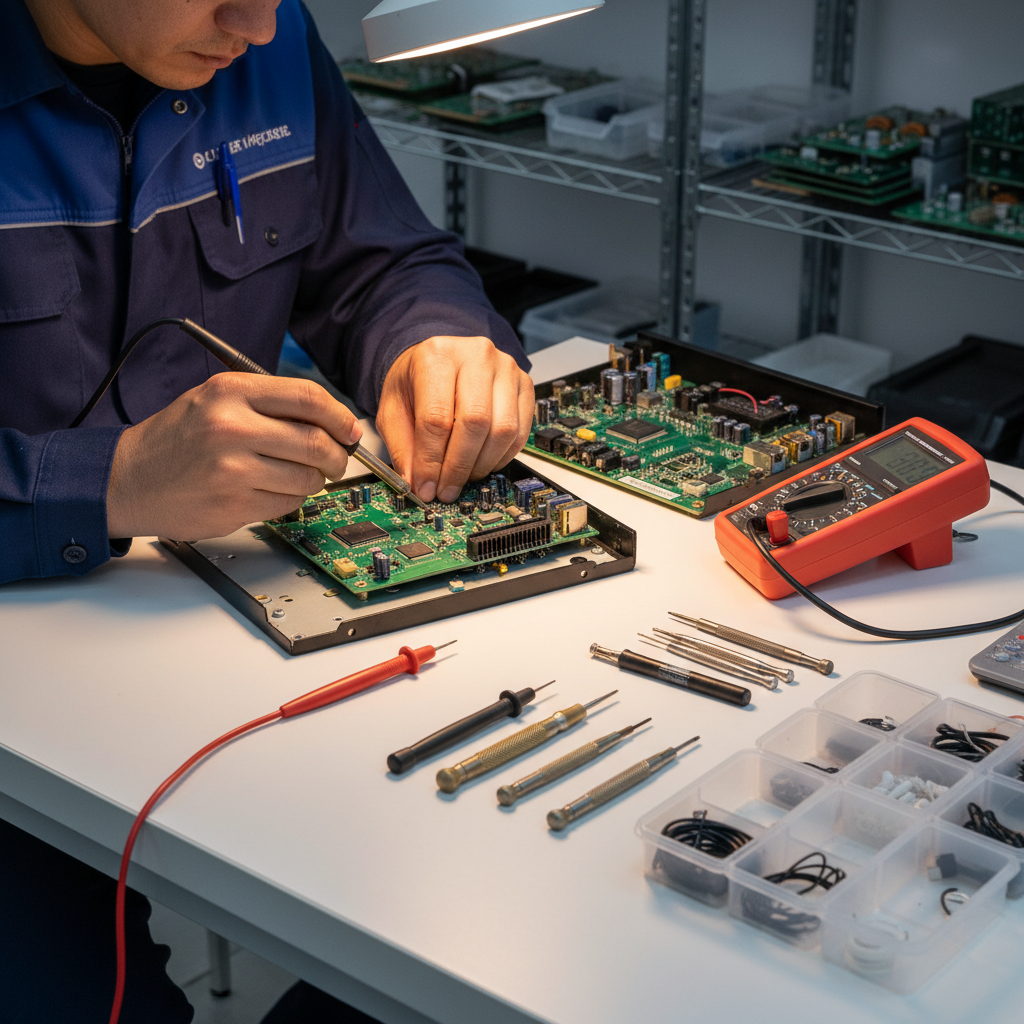
Another frequent error is using the wrong tools for the job. Electronics are delicate, and using inappropriate tools can cause more harm than good. Investing in a quality toolkit designed specifically for electronics can save you time and money in the long run.
Importance of Proper Diagnosis
Proper diagnosis is crucial in electronics repair. Before attempting any fixes, ensure you understand the issue thoroughly. Start by observing the symptoms and researching possible causes. Online forums and repair guides can be valuable resources for troubleshooting.
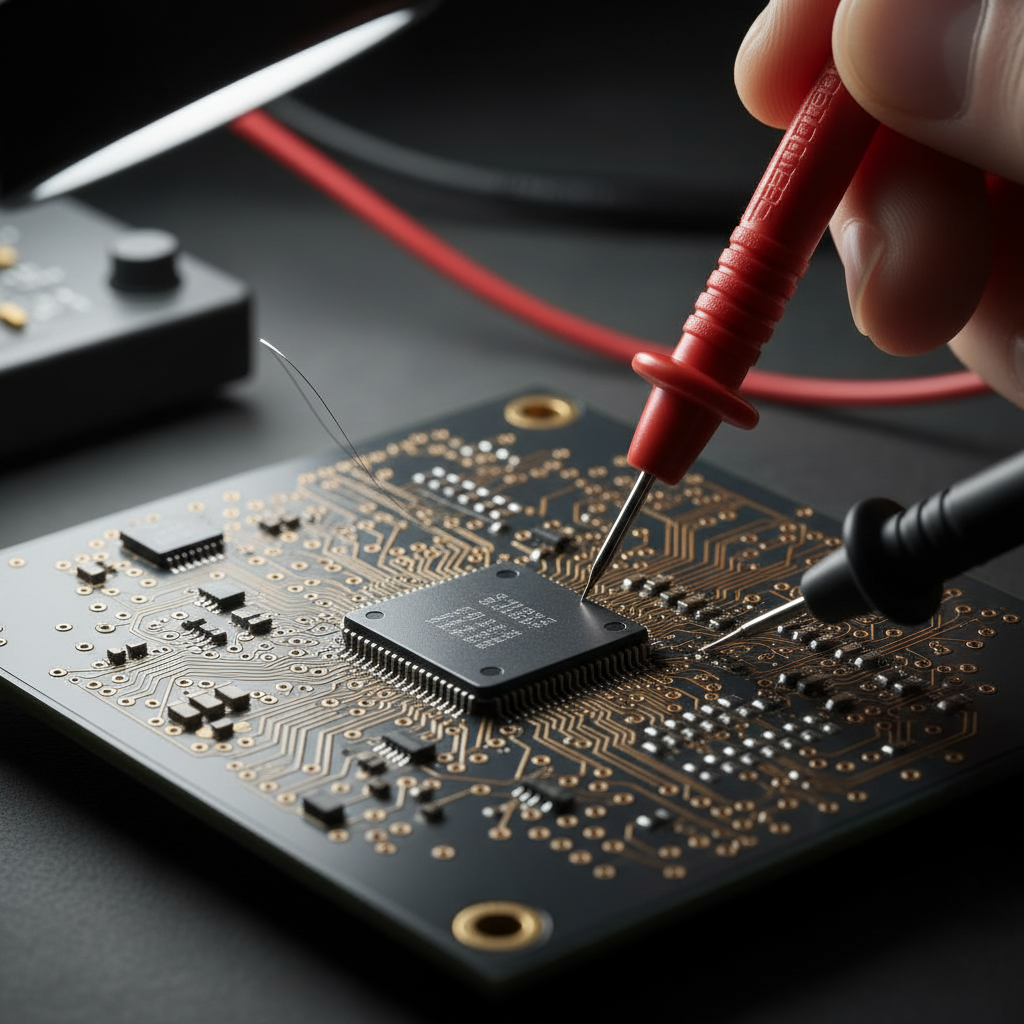
Once you've identified potential causes, test each hypothesis to confirm the problem. Be systematic and patient; rushing through this process can lead to mistakes. If you're unsure, consider consulting with a professional for an accurate diagnosis.
Using the Right Tools
Having the right tools is essential for successful electronics repair. Basic tools like screwdrivers, pliers, and multimeters are a must-have. However, specialized tools such as anti-static wristbands, soldering irons, and precision tweezers can make a significant difference.
- Screwdrivers: Ensure you have a set with various sizes and types.
- Multimeter: Useful for testing electrical circuits.
- Soldering Iron: Essential for fixing broken connections.
Handling Components with Care
Electronics components are often fragile and sensitive to static electricity. Always handle parts carefully and use an anti-static wristband to prevent electrostatic discharge, which can damage electronic circuits. Additionally, make sure your workspace is clean and organized to avoid losing small parts.
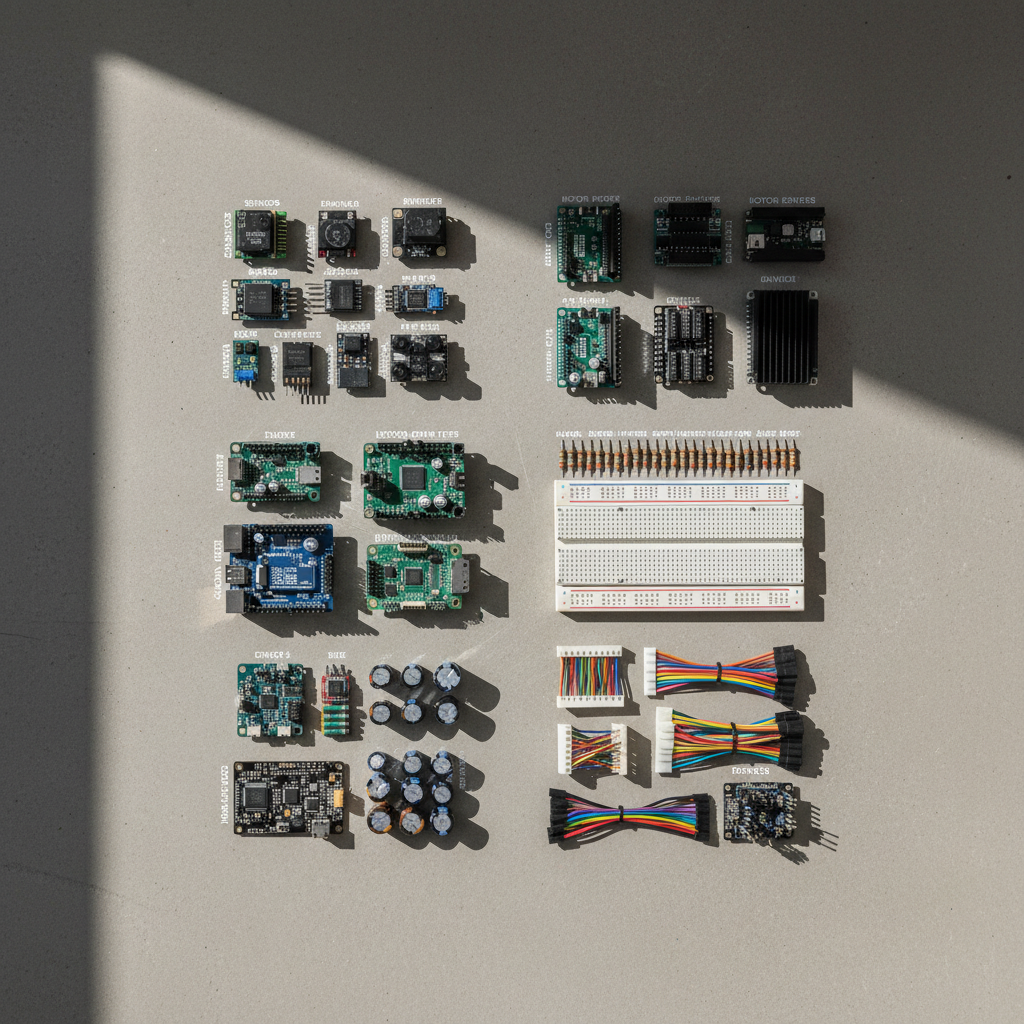
Using the right amount of force when connecting or disconnecting components is also important. Applying too much pressure can break connectors or circuit boards, leading to further issues.
Keeping Up with Technology
The field of electronics is constantly evolving. Staying updated with the latest repair techniques and tools can give you an edge. Subscribing to electronics repair blogs, attending workshops, and joining online communities can help you stay informed.
By continuously learning, you can avoid outdated methods that might not be suitable for newer devices. Embracing new technology and techniques will enhance your repair skills and increase the chances of success.

Knowing When to Seek Professional Help
While DIY repairs can be rewarding, knowing when to seek professional help is crucial. If a repair seems too complex or if you're unsure about your diagnosis, it might be best to consult an expert. Professional repair services have the experience and equipment needed to handle complicated issues safely and efficiently.
Attempting to fix a problem beyond your skill level can lead to costly mistakes. It's better to invest in professional assistance than to risk damaging your device further.